
Affordable nutrition

Across all life stages, food and good nutrition are fundamental to everyone’s health, well-being and quality of life.
However, for millions of people, a nutritionally adequate diet at a price they can afford remains out of reach. This reality leads to lifelong consequences such as wasting and stunting, while heightening the risks of illness and infectious diseases. The toll is not only personal; it weakens communities and affects economies.
Nestlé helps address this pressing global health crisis by delivering accessible, affordable nutrition to those on lower incomes, helping to close nutrient gaps, particularly in emerging markets.
We create products that not only aim to address locally relevant nutritional deficiencies but are also consumed regularly by a large proportion of the population. These offerings can contribute to a balanced and varied diet and are affordable for those most in need
Reaching more people with our affordable products
Learn more in the Social Disclosures section of our 2025 Non-Financial Statement (pdf, 18Mb).
Locally relevant fortification
Addressing locally relevant micronutrient gaps with our fortified products is a key priority, and our efforts to innovate are continuous. We leverage data from international and national health authorities to pinpoint specific micronutrient deficiencies prevalent in various populations. We set stringent limits on fortification per serving to mitigate the risks of excessive consumption and comply with public health priorities of local regulations.
We provide clear and accessible information about the nutritional benefits of our fortified products, while promoting healthy lifestyles in the communities we serve.
Affordable nutrition is also becoming a topic beyond emerging markets. We are expanding our range of products to meet the evolving needs of those consumers and help them balance their budgets by providing good quality products in varied formats and with a variety of options and offers.
As we support the evolution of food systems, we continue introducing affordable protein options.
In India, we reviewed the micronutrient needs of certain Indian communities and adapted Maggi Masala-ae-Magic seasoning to their local needs, and are also working to help increase whole grain consumption.
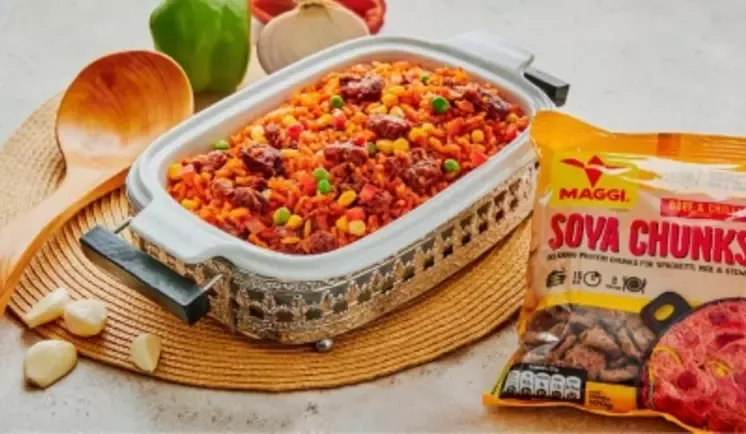
We have added iron to the widely used Maggi Magic Sarap seasoning in the Philippines. In Nigeria, we launched Maggi Soya Chunks, a tasty, affordable, plant-based meat alternative that enables consumers in Central and West Africa to add high-quality protein to their everyday food. Made from soy, each pack provides enough protein for up to eight people, with less saturated fats and cholesterol, at lower cost when compared to animal protein.
Science-based fortification for impact
We are advancing science-based fortification to help close micronutrient gaps in vulnerable populations. In partnership with Massey University, we adopted Ferri-Pro technology for an iron source that is easier to absorb in the body without compromising taste. This was first applied in Bunyad Iron+, a fortified milk product launched in 2022, in Pakistan. We continue exploring new applications and partnerships to expand its impact.
Read the full case study.
Following the launch of Bunyad Iron+ in Pakistan, we also launched Nutri Rindes milk powder in Mexico using Iron+ technology.
Improving access to nutrition and expertise
We collaborate with governments, universities and civil society organizations to create educational campaigns designed to improve families' understanding of nutrition. These initiatives focus on increasing uptake of the 'big four' micronutrients: iron, iodine, vitamin A and zinc.
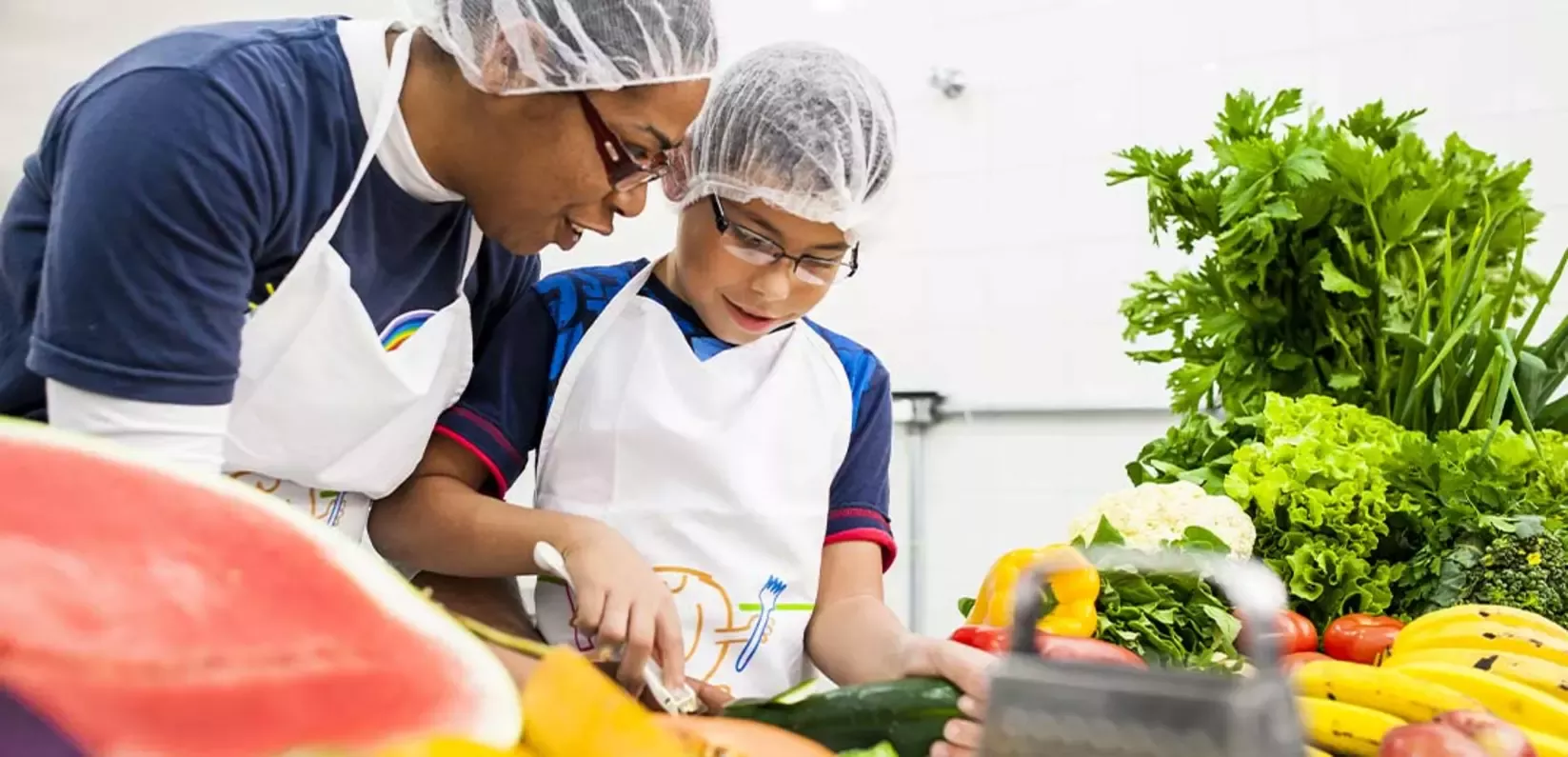
We are helping teachers educate children about good nutrition and active lifestyles through our school programs, and we are creating webinars and podcasts to engage adults.
As part of our ambition to support tasty and balanced diets, we provide nutritious foods to our consumers via locally relevant micronutrient fortification at scale. Thanks to new affordable and accessible solutions, we can also support increased consumption of protein and fiber.