
Key actions to fight plastic pollution
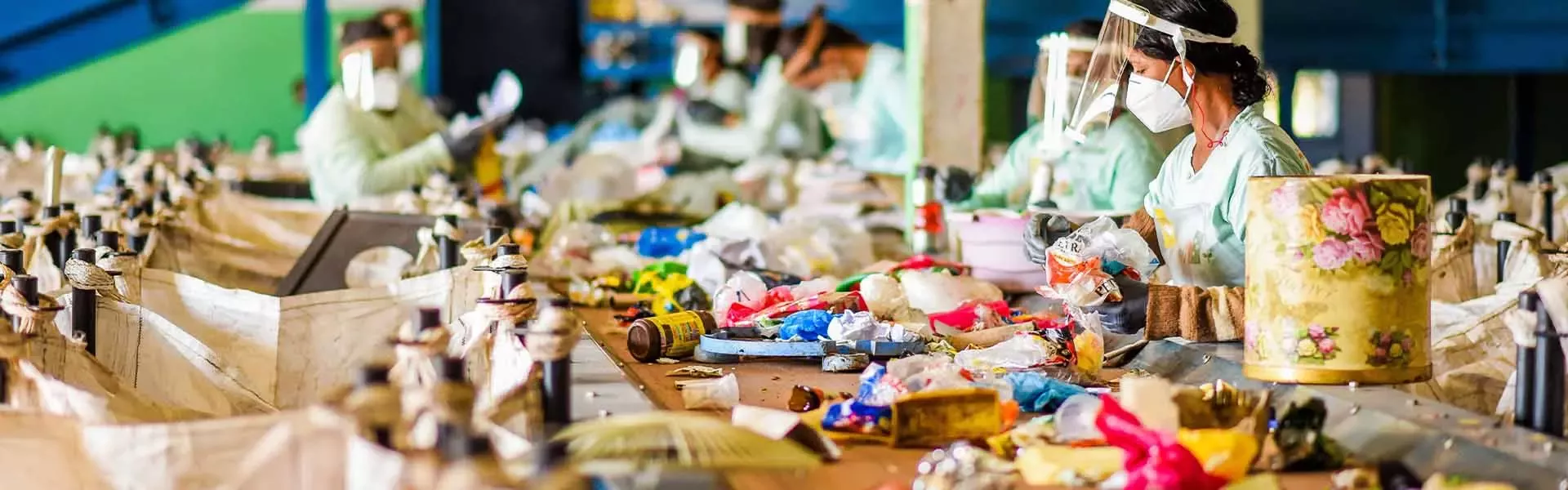
Plastic waste that accumulates in landfills and the environment is one of the most pressing environmental issues of our time.
Plastic waste endangers wildlife and threatens ecosystems and the food chain. We see plastic pollution as an urgent priority.
We cannot solve this global problem alone, so we are collaborating with other companies, research institutes and governments around the world to identify ways to collectively reduce plastic waste in the environment.
Nestlé plastic packaging reduction and redesign
* Packaging Designed for Recycling (D4R) refers to packaging materials and formats which are compliant with our Negative List and aligned with the Golden Design Rules (see Policies). The D4R policies uses some aspects of the EMF reporting guidelines and Consumer Goods Forum ‘Golden Design Rules’ to better align with industry views.
** The percentage is defined by reduction of usage of virgin plastic between the reporting period and 2018, divided by the total virgin plastic volume of 2018. Virgin plastic volume is obtained by deducting the recycled plastic volume from the total plastic packaging volume of the reporting period. Primary, secondary and tertiary packaging are accounted for in the calculation.
Learn more in the Environmental Disclosures section of our 2025 Non-Financial Statement (pdf, 12Mb).
Taking collective action to fight plastic pollution
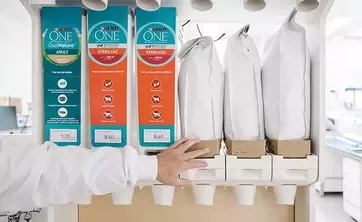
Our aim is to use less virgin plastic in our packaging by eliminating unnecessary and problematic plastic, introducing reusable and refillable alternatives, and switching to alternative materials.
Our actions extend beyond the materials we use in our packaging. To help prevent our packaging from ending up in landfills, we are working to make recycling easier, by supporting infrastructure improvements and encouraging consumers to sort waste.
Creating change like this beyond our own operations requires strong collaboration. We are part of the Consumer Goods Forum’s Plastic Waste Coalition for Action, the World Economic Forum’s Global Plastic Action Partnership (GPAP) and plastic pacts around the world.
In 2019, we joined the Ellen MacArthur Foundation’s New Plastics Economy initiative. We pledged to work across the industry to create a circular economy for plastic, starting with packaging. We are eliminating unnecessary plastic in our packaging and innovating to make the plastic that we do need recyclable and reusable.
We are continuing to support governments by actively advocating for harmonized and better regulation to accelerate infrastructure development in markets where we operate. We advocate for a legally binding UN Treaty on Plastic Pollution and are an active member of advocacy group, the Business Coalition for a Global Plastics Treaty.
We are committed to playing an active role in the development of well-functioning collection, sorting and recycling schemes across the countries where we operate. The global infrastructure gap is significant and not in our immediate control – but we are working to support successful collection with projects and activities around the world.
Key terms explained
Recyclable
As defined in the Ellen McArthur Foundation reporting guideline definitions, a packaging or packaging component is recyclable if it is successfully post-consumer collected, sorted and recycled with a recycling rate of 30% in multiple regions, collectively representing more than 400 million inhabitants.
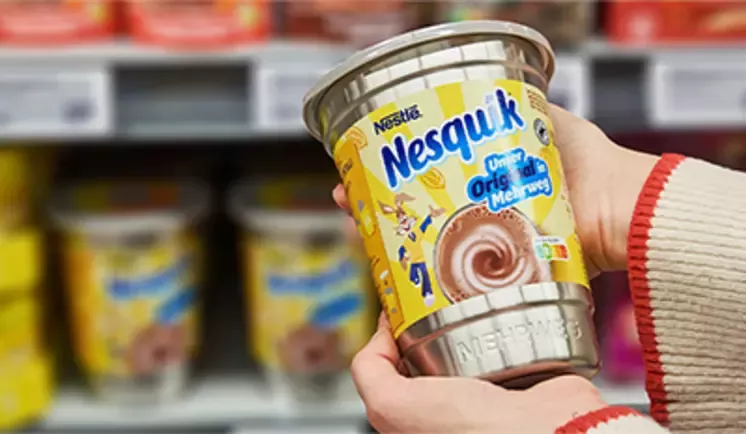
Reusable
Following ISO 18603, reusable is the characteristic of a product or packaging that has been conceived and designed to accomplish within its lifecycle an expected number of trips, rotations or uses for the same purpose for which it was conceived. The weight of reusable packaging is defined by the total weight of reusable packaging, divided by the number of expected rotations over the entire life of the package.
Recyclable
As defined in the Ellen McArthur Foundation reporting guideline definitions, a packaging or packaging component is recyclable if it is successfully post-consumer collected, sorted and recycled with a recycling rate of 30% in multiple regions, collectively representing more than 400 million inhabitants.
Reusable
Following ISO 18603, reusable is the characteristic of a product or packaging that has been conceived and designed to accomplish within its lifecycle an expected number of trips, rotations or uses for the same purpose for which it was conceived. The weight of reusable packaging is defined by the total weight of reusable packaging, divided by the number of expected rotations over the entire life of the package.
Our Recycling and Recovery efforts
We are committed to taking an active role in the collection, sorting, or recycling or recovery of packaging materials.
Countries with established regulatory frameworks for Post-Consumer Materials
In countries with national or provincial Waste Management Legislation and infrastructure such as Extended Producer Responsibility (EPR) & Deposit Return System Compliance (DRS), we contribute to the set-up of well-designed regulations and their implementation. We are a strong supporter of EPR schemes and support governments and industry associations in the set-up of such regulations.
Countries still developing regulatory frameworks
In countries with limited regulations and infrastructure, our initiatives are directed to help building the regulatory context provincially and nationally.
In 2020, we identified 12 countries where waste is often mismanaged and as a result, potentially leaking into lands and waterways. These countries accounted for more than 10% of Nestlé’s plastic packaging. As of 2025, we have developed dozens of projects in these countries and others around the world, working with partners and local associations to scale up collection efforts, sorting and recycling of post-consumer packaging materials. This includes advocacy for well-designed and effective Extended Producer Responsibility and Deposit Return Programs.
Based in our learning and successes, we will continue intensify these efforts in the years to come with a focus on countries with no or limited regulatory framework and infrastructure for post-consumer packaging waste management or are still in the process of developing such regulation.
You can read about some of our projects in the following locations: Argentina, Colombia, Costa Rica, Ecuador, Egypt, Ghana, India (pdf, 8Mb), Indonesia or Philippines.
For examples under our 5 pillars, go to Our packaging strategy.