
Our road to net zero
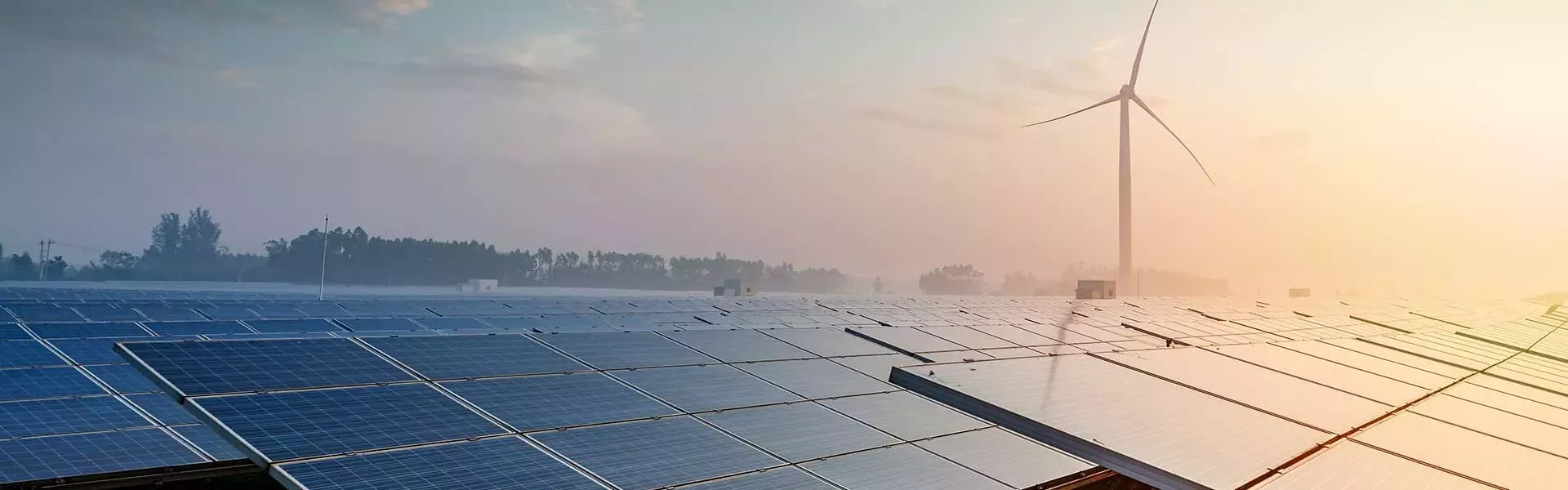
Climate change is one of society's and our business' greatest challenges. We aim to reduce our GHG emissions by 50% by 2030, compared to our 2018 baseline, and reach net zero by 2050, at the latest.
In line with the United Nations1, net zero means reducing carbon emissions to a low level, leaving only residual emissions that can be absorbed and durably stored by nature and other carbon dioxide removal measures, leaving zero emitted into the atmosphere by human activities.
Nestlé has committed to reaching net zero greenhouse gas (GHG) emissions by 2050 at the latest. In 2020, we published our timebound plan, the Nestlé Net Zero Roadmap (pdf, 16Mb), which underpins our Group’s climate strategy and acts as our transition plan aligned with a 1.5°C pathway as validated by the Science-Based Targets initiative (SBTi). Our targets include our specific Forest, Land and Agriculture (FLAG) sector objectives for 2030 and 2050. Our plan addresses Scope 1, 2 and 3 emissions, and includes steps such as reducing GHG emissions in the sourcing of our ingredients, scaling regenerative agriculture and transitioning towards renewable electricity. Our plan partially relies on new technologies and policies that support the decarbonization of the economy. We will balance any remaining emissions through high-quality natural climate solutions.
Our targets include our specific Forest, Land and Agriculture (FLAG) sector objectives for 2030 and 2050.
Our plan addresses reducing emissions across all three Scopes of Nestlé’s activities: the emissions that Nestlé creates directly as a business (known as Scope 1), the emissions associated with the energy we buy and use (Scope 2), and the emissions in our value chain (Scope 3), and includes steps such as reducing GHG emissions in the sourcing of our ingredients, scaling regenerative agriculture and transitioning towards renewable electricity.
Our plan partially relies on new technologies and policies that support the decarbonization of the economy. We will balance any remaining emissions through high-quality natural climate solutions.
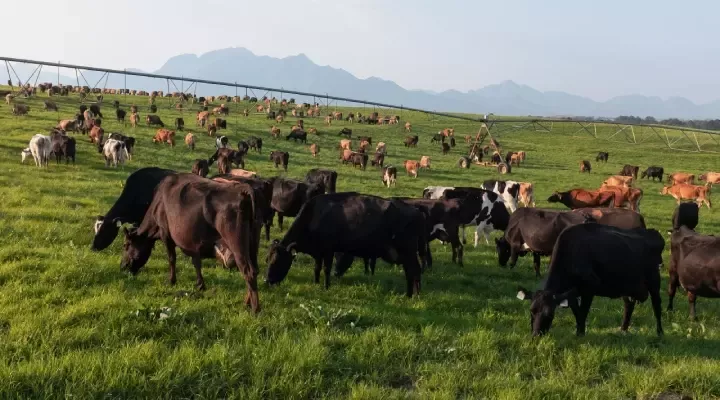
Almost all our GHG emissions (~95%) are from Scope 3 emissions. Dairy and livestock ingredients are the largest single source of our Scope 3 emissions, representing approximately 30% of Nestlé's GHG emissions.
Key terms explained
Regenerative agriculture
In line with the Sustainable Agriculture Initiative Platform, Nestlé defines regenerative agriculture as an approach to farming which aims to conserve and restore natural resources, primarily soil, as well as water and biodiversity, while capturing carbon in soils and plant biomass, and to support farmers’ livelihoods. Examples of regenerative agriculture practices include reduced tillage and agroforestry. More information is available in our Nestlé Agriculture Framework (pdf, 19Mb). Read more about regenerative agriculture.
Regenerative agriculture
In line with the Sustainable Agriculture Initiative Platform, Nestlé defines regenerative agriculture as an approach to farming which aims to conserve and restore natural resources, primarily soil, as well as water and biodiversity, while capturing carbon in soils and plant biomass, and to support farmers’ livelihoods. Examples of regenerative agriculture practices include reduced tillage and agroforestry. More information is available in our Nestlé Agriculture Framework (pdf, 19Mb). Read more about regenerative agriculture.
Net zero by 2050
50
%
Net zero
How we are reducing emissions
GHG reductions and removals
To achieve net zero emissions, we are reducing emissions across our business and supply chains.
Our Net Zero Roadmap explains how we are collaborating with suppliers, farmers and communities to implement regenerative agriculture practices, aiming to improve soil health and absorb carbon.
For Scope 1 and 2 emissions, our primary strategy is to reduce our energy consumption and move toward 100% renewable energy in our manufacturing sites. Among other actions, we are investing in emission reductions related to logistics, manufacturing and packaging.
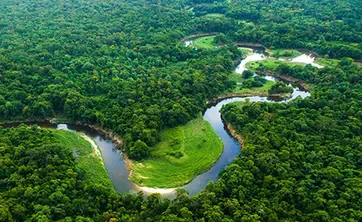
We are reducing the risk of deforestation through assessing our key ingredients as deforestation-free. Our plan also includes carbon removals through natural climate solutions, such as agroforestry, silvopasture and the restoration of forests and peatland. Projects occur within the landscapes where we source our raw materials, enabling forest restoration, wetland rehabilitation and peatland preservation. Each one aims to benefit biodiversity and local communities while creating measurable carbon benefits.
Key terms explained
Deforestation-free
Deforestation-free means that commodities in scope were assessed as produced on land that has not been subject to deforestation or conversion after a specific cut-off date that varies by commodity, but no later than December 31, 2020.
Deforestation-free
Deforestation-free means that commodities in scope were assessed as produced on land that has not been subject to deforestation or conversion after a specific cut-off date that varies by commodity, but no later than December 31, 2020.
Some highlights of our roadmap in action
-
Regenerative agriculture Our aim is to make regenerative agriculture practices the standard in the food industry – addressing environmental and social aspects holistically.READ MORE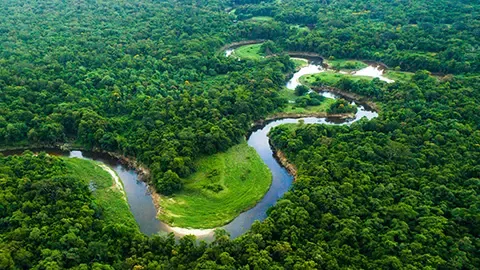
-
Forests Our work on forests is built on our learnings from over 10 years working toward our deforestation-related commitment and our intention to play an active role in conservation and restoration.
-
Climate action in manufacturing and logistics Through our efforts in our operations and our partnerships with logistics suppliers, we are continuing on the road to net zero.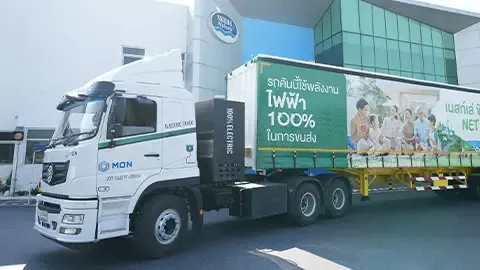
-
Teaming up for climate advocacy Published in 2020, our Net Zero Roadmap identifies several climate change related advocacy priorities.
-
Climate action by our brands Portfolio management is one of the ways in which we can advance our aim of reaching net zero emissions by 2050.
-
Dairy supply chain Dairy ingredients are widely used across our portfolio and are our largest source of GHG emissions.